
N. Babić
26.05.19
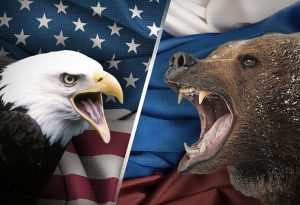
Američka RAND korporacija je objavila najnovije izvješće u kojem detaljno objašnjava kako izvršiti maksimalan pritisak na Rusiju, izbaciti je iz ravnoteže i koliko će to koštati američku administraciju. Zapravo, suština ovog velikog izvješća od 376 stranica je kako “preoptereti” i idealno oslabiti Rusiju što je više moguće i na kraju uništiti Rusku Federaciju.
Glavni načini za provedbu plana korporacije RAND uključuju stalnu pomoć, uključujući vojnu, “sirijskim pobunjenicima“, slanje smrtonosnog oružja Ukrajini, širenje sankcija i maksimalnih napora da se prekinu gospodarski odnosi između Rusije i Europe, osobito u smislu trgovine energijom, gdje ruske energente trebaju zamijeniti nafta i plin iz Sjedinjenih Država.
Kao što piše ruska Pravda, “postoje i takve egzotične, ali sa stajališta analitičara RAND korporacije, prilično izvodljive avanture, kao početak isporuke smrtonosnog oružja Ukrajini ili protjerivanje Rusije iz svih međunarodnih organizacija i foruma, osim Ujedinjenih naroda”. To po mišljenju američkih stručnjaka “nije težak posao”.
“Općenito, čitavo ovo izvješće iskreno i otvoreno govori da će nas s osjećajem i razumno uskladiti. Tako, da se možete nastaviti susretati s Pompeom i Trumpom, a da ostane otvoreno pitanje: “Zašto?”, piše Pravda.
Općenito, kao što su primijetili neki ruski analitičari, čak i tonalitet i kategorička priroda ovog izvješća su iznenađujući. Zapravo, metode koje nude stručnjaci RAND su agresivne i uvredljive. To jest, najprije nude početak rata i napada, a da se nitko nije posramio takvog prijedloga. Oni misle da se u odnosima s Rusijom tako “mogu ponašati”.
U izvješću se također razmatraju mogućnosti “rada” s ruskom prozapadnom opozicijom. Istina, u manjoj mjeri nego prije, ali prozapadnoj opoziciji treba pomoći da “potkopa režim“. Usput analitičari korporacije RAND savjetuju Washingtonu da se potrudi da Rusiju isključi iz svih međunarodnih organizacija osim Ujedinjenih naroda.
Između ostalog, RAND predlaže da se “Rusiju uvuče u utrku u naoružanju” kako bi zemlja trošila maksimalnu količinu novca na oružje i vojno-industrijski kompleks, što bi dovelo do slabljenja ostatka države i nacionalne ekonomije.
Što se tiče vanjskopolitičkih odnosa, američki stručnjaci preporučuju “uvlačenje Rusije u sukob sa Sjedinjenim Državama u onim regijama u kojima SAD već imaju konkurentske prednosti”.
Ukratko, prijedlozi ove utjecajne skupine stručnjaka su sljedeći.
Ekonomske mjere nanošenja štete:
- Povećanje američke proizvodnje energije što će naštetiti ruskom gospodarstvu smanjiti proračunske prihode Kremlja.
- Nametanje većih trgovinskih i financijskih sankcija, osobito ako su takve sankcije sveobuhvatne i multilateralne.
- Povećati sposobnost Europe da uvozi plin od drugih dobavljača, a ne iz Rusije.
- Poticanje emigracije iz Rusije kvalificirane radne snage i dobro obrazovane mladeži, koji će pomoći ima Sjedinjenim Državama i drugim zemljama koje ih prime, a naštetit će Rusiji.
Geopolitičke mjere za nanošenje štete:
- Pružanje smrtonosne pomoći Ukrajini i iskoristiti najveću rusku točku vanjske ranjivosti.
- Povećati potporu sirijskim “pobunjenicima”, iako ova opcija možda i nije izvediva s obzirom na radikalizaciju, fragmentaciju i opadanje sirijske “opozicije”.
- Promicanje liberalizacije u Bjelorusiji vjerojatno ne bi uspjelo i moglo bi izazvati snažan odgovor Rusije, što bi rezultirao općim pogoršanjem sigurnosnog okruženja u Europi i nazadovanjem politike Sjedinjenih Država.
- Širenje veza na južnom Kavkazu, ekonomski konkurentnom Rusiji, bilo bi teško zbog zemljopisa i povijesti.
- Smanjenje ruskog utjecaja u Srednjoj Aziji bilo bi vrlo teško i moglo bi se pokazati skupim. Veća angažiranost vjerojatno neće ekonomski potkopati Rusiju i vjerojatno će biti nesrazmjerno skupa za Sjedinjene Države.
- Osloboditi Pridnjestrovlje i protjerati ruske trupe iz regije bio bi udarac ruskom ugledu, ali bi također Moskova uštedjela novac i vrlo vjerojatno bi to bio novi trošak za SAD i saveznike.
Ideološke i informacijske mjere za nanošenje štete:
- Smanjenje povjerenja u ruski izborni sustav bi bilo teško zbog državne kontrole nad većinom medija. Na taj bi se način moglo povećati nezadovoljstvo režimom, ali postoje ozbiljni rizici da bi Kremlj mogao povećati represiju ili napasti i uzrokovati konflikt u inozemstvu koji bi mogao biti suprotan interesima Zapada.
- Stvaranje percepcije da režim ne teži javnom interesu može se usredotočiti na rasprostranjenu korupciju velikih razmjera i dodatno potkopati legitimnost države. Međutim, teško je procijeniti hoće li politička nestabilnost i prosvjedi dovesti do toga da će takva Rusija biti manje sposobna ili sklona prijetnji zapadnim interesima u inozemstvu ili Rusija koja će biti spremna na osvetu, što ovu opciju čini vrlo rizičnom.
- Poticanje domaćih prosvjeda i drugog nenasilnog otpora za odvraćanje pozornosti ili destabilizaciju ruskog režima i smanjivanje vjerojatnosti da će provoditi agresivne akcije u inozemstvu.
- Podrivanje ruskog imidža u inozemstvu s ciljem smanjenja ruskog utjecaja, čime bi se potkopali napori Kremlja protiv režimskog zahtjeva za vraćanjem Rusiji njezine bivše slave.
- Uvoditi dodatne sankcije i ukloniti Rusiju iz međunarodnih foruma izvan Ujedinjenih naroda, te bojkotirati događaje kao što je bilo Svjetsko prvenstvo.
Mjere za nanošenje štete u vojnoj sferi:
- Ponovno slanje bombardera u lako uočljivom rasponu ključnih ruskih strateških ciljeva ima veliku vjerojatnost uspjeha i zasigurno će privući pažnju Moskve i uzrokovati brige i dodatne troškove za obranu.
- Ponovno slanje borbenih zrakoplova još bliže ciljevima od bombardera, kao način postizanja višeg stupnja odgovora i presretanja.
- Raspoređivanje dodatnih taktičkih nuklearnih oružja u Europi i Aziji.
- Repozicioniranje američkih i savezničkih sustava obrane od balističkih raketa kako bi se bolje angažirale ruske balističke rakete, također bi uzbunilo Moskvu.
- Potaknuti Rusiju da se angažira u strateškom natjecanju i potaknuti Moskvu na skupu utrku u naoružanju izlaskom iz režima kontrole nuklearnog naoružanja.
- Povećati američke i savezničke mornaričke snage i prisutnost u ruskim operativnim područjima i ulagati veće napore za istraživanje pomorstva i razvoj novih oružja koja će američkim podmornicama omogućiti da ugroze veći broj ciljeva.
- Premještanje nuklearnog položaja prema novoj doktrini bi značilo povećanje postotka američke nuklearne trijade.
- Nadzor Crnog mora i jačanje ometanja pristupa područjima Sjevernoatlantskog saveza preko Crnog mora, možda u obliku dalekosežnih protubrodskih raketa na kopnu.
- Povećanje broja američkih snaga u Europi, povećanje kapaciteta zemalja NATO pakta i razmještanje velikog broja NATO snaga na ruskoj granici.
- Povećanje veličine i učestalosti vježbi NATO pakta u Europi može pomoći u povećanju spremnosti i odvraćanja, ali malo je vjerojatno da će potaknuti skupi odgovor Rusije, osim ako vježbe ne pošalju rizične signale.
- Razvoj, ali ne i uporaba raketa srednjeg dometa, mogao bi vratiti Rusiju od Ugovora o nuklearnim snagama srednjeg dometa, ali bi također mogla potaknuti ubrzanje ruskih raketnih programa.
- Povećana ulaganja u nove tehnologije za suzbijanje ruske protuzračne obrane.
Sve navedeno može izgledati kao vrsta marginalne agresije fanova “vječnog Hladnog rata” i drugih čudaka s geopolitike. Ali ne zaboravimo da je korporacija RAND struktura koja djeluje po nalogu američkog Kongresa i Pentagona. To jest, sasvim je jasno kome je ovo izvješće namijenjeno i na kojoj razini će se u Sjedinjenim Državama donositi odluke o provedbi onih “zanimljivih prijedloga” koji su izraženi u ovoj studiji.
Međutim, brojni ruski politički znanstvenici vjeruju da će ovaj plan biti skup na prvom mjestu za same SAD, jer je sada vrlo teško uključiti Rusiju u utrku u naoružanju ili u neke trajne lokalne sukobe.
Kao što je politički analitičar Dmitrij Drobnicki naglasio, “jedine akcije koje su prepoznate kao učinkovite u izvješću su akcije protiv ruskih gospodarskih slabosti”.
“Ne možemo se s tim ne složiti. U svim aspektima, osim u gospodarstvu, Rusiji je nemoguće zavrnuti ruku”, rekao je Dmitrij Drobnicki.
Jasno je da ovo nije prvo izvješće sličnog sadržaja, a očito nije ni posljednje i nema ništa novo u njemu. Ovdje je važan odnos Rusije prema Sjedinjenim Državama. Što se tiče Washingtona, za uništenje očiglednog i strašnog neprijatelja su sva sredstva etička i dozvoljena. Zapravo, to je stav ljudi koji su spremni započeti i voditi rat do potpunog uništenja jedne od strana u sukobu. U ovom slučaju Rusije.
Ne zaboravimo ni da je NATO nedavno razvio novu vojnu strategiju kojom želi odgovoriti Tako je na “nuklearnu prijetnju” Rusije i “izazove na istoku i jugu Europe” koji su se pojavili 2014. godine. Radi se o “punoj zaštiti i sposobnosti da NATO osigura stabilnost u budućnosti”. Za stručnu zajednicu nije bilo teško navesti ključne točke strategije, uzimajući u obzir pojavu novih vrsta oružja, kao i povlačenje Sjedinjenih Država iz temeljnih međunarodnih sporazuma o razoružanju.
Kao odgovor na navodnu “nuklearnu prijetnju” Rusije zapadnim zemljama, NATO je usvojio novu vojnu strategiju, a glavni tajnik NATO pakta Jens Stoltenberg je izjavio u intervjuu za Welt am Sonntag da savez tako odgovara na izazove koji su se pojavili od 2014. na istoku i jugu Europe. Te godine je, kao što je poznato, počeo građanski rat na istoku Ukrajine, a Krim je ponovno postao dio Rusije.
Jedina dobra vijest je da Rusija u cjelini može “izdržati udare” i sve te mjere, jer bez obzira na to budu li poduzete, neće imati nikakav poseban učinak. SAD su već pokušale uvući Rusiju u sukob u Ukrajini. I što se dogodilo? Iako polako, “Sjeverni tok 2” se nastavlja se graditi. Rusija nastavlja ne samo sudjelovati, nego i organizirati na svom području platforme za globalni međunarodni dijalog, poput međunarodnih ekonomskih foruma u Sankt Peterburgu i Jalti, konferencije o sigurnosti u Moskvi, međunarodne rasprave u Klubu Valdai i sportske susrete svih vrsta. Ipak, ovo izvješće govori da će se sukob između Rusije i Zapada povećati, ali je također jasno da Rusija ima sve šanse da izdrži ovo sučeljavanje.
Osim toga, NATO puca po šavovima. Turska je u nerazumljivom položaju u savezu, a Berlin i Pariz žele stvoriti “europsku vojsku koja bi se oduprla Rusiji, Kini i Sjedinjenim Državama”.
Tu su i vojni i politički čimbenici i američki rat protiv Rusije može biti samo hibridni, što u određenoj mjeri priznaje i RAND korporacija.
Ono što američki stručnjaci ne razumiju je moralni i psihološki faktor. Stanovništvo zemalja NATO pakta apsolutno nije spremno za masovne borbene operacije, a mnogi Rusiju ne smatraju neprijateljem. Prema većini socioloških anketa, stanovništvo europskih vidi Rusiju kao neutralnu zemlju ili čak prijateljsku. Stoga NATO, kao organizacija koja bi trebala osigurati globalnu dominaciju Sjedinjenih Država, ne rješava ovaj problem, stoga mora mijenjati svoju strategiju.
Nažalost, nuklearna strategija će biti proširena s preventivnim nuklearnim napadom projektilima srednjeg i kraćeg dometa. RAND tvrdi kako se ti projektili ne bi trebali koristiti, nego bi služili da se Rusiju uvuče u utrku u naoružanju i tako oslabi ekonomija zemlje.
Nova strategija Sjevernoatlantskog saveza ne uključuje samo Rusiju, već i Kinu, Iran, Sjevernu Koreju i Bjelorusiju, što znači da se suprotstavlja savezima kao što su Šangajska organizacija za suradnju (SCO) i Organizacija ugovora o kolektivnoj sigurnosti (CSTO). U tom smislu, želja Sjevernoatlantskog saveza za promjenom koncepta ukazuje na to da je Zapad izgubio vodstvo u svijetu.
Sjedinjene Američke Države prepoznaju ogromnu opasnost od propasti unipolarnog svijeta i žele ga sačuvati, stoga moraju podržati tako važno sredstvo kao što je NATO. Zadatak koncepta je očuvanje unipolarnog svijeta, ali o tome se neće pisati izravno, već će se cijelo vrijeme govoriti o prijetnjama nacionalnoj sigurnosti zemalja NATO pakta i samih Sjedinjenih Država.
U tim naporima je potrebno uništiti dva stupa multipolarnog svijeta. Kinu i Rusiju, kojoj e korporacija RAND posvetila izvješće s uputama za uništenje od 376 stranica.
S obzirom na to da je nuklearna i bilo koja druga prijetnja iz Rusije mit, Moskva neće biti prva koja će upotrijebiti oružje za masovno uništenje protiv zemalja NATO pakta, ali će učiniti sve da osujeti planove RAND korporacije, čije izvješće ne bi bilo vrijedno spomena da se ne radi o stručnjacima s velikim utjecajem u američkom Kongresu, Bijeloj kući, Pentagonu i vojno-industrijskom kompleksu.
RAND
Izvor: https://www.logicno.com/politika/rand-korporacija-objavila-americki-plan-za-unistenje-rusije.html
===== Originalni članak i pdf =====
PDF: RAND_RB10014
Overextending and Unbalancing RussiaAssessing the Impact of Cost-Imposing Optionsby James Dobbins, Raphael S. Cohen, Nathan Chandler, Bryan Frederick, Edward Geist, Paul DeLuca, Forrest E. Morgan, Howard J. Shatz, Brent Williams Download Free Electronic Document
|
||||||||||||||||||||||||||||||||||||||||||||||||||||||||||||||||||||||||||||||||||||||||||||||||||||||||||||||||||||||||||||||||||||||||||||||||||||||||||||||||||||||||||||||||||||||||||||||||||||||||||||||||||||||||||||||||||||||||||||||||||||||||||||||||||||||||||||||||||||||||||||||||
Research Brief

Editor’s Note, April 2022: We encourage you to explore this research brief and the full report that it is based on. However, because Russian state media entities and individuals sympathetic to Putin’s decision to invade Ukraine have mischaracterized this research in recent weeks, we also encourage you to explore this helpful resource on Russia’s “firehose of falsehood” approach to propaganda and our research on “Truth Decay,” which is a phenomenon that is driven in part by the spread of disinformation. This brief summarizes a report that comprehensively examines nonviolent, cost-imposing options that the United States and its allies could pursue across economic, political, and military areas to stress—overextend and unbalance—Russia’s economy and armed forces and the regime’s political standing at home and abroad. Some of the options examined are clearly more promising than others, but any would need to be evaluated in terms of the overall U.S. strategy for dealing with Russia, which neither the report nor this brief has attempted to do. The maxim that “Russia is never so strong nor so weak as it appears” remains as true in the current century as it was in the 19th and 20th. Today’s Russia suffers from many vulnerabilities—oil and gas prices well below peak that have caused a drop in living standards, economic sanctions that have furthered that decline, an aging and soon-to-be-declining population, and increasing authoritarianism under Vladimir Putin’s now-continued rule. Such vulnerabilities are coupled with deep-seated (if exaggerated) anxieties about the possibility of Western-inspired regime change, loss of great power status, and even military attack. Despite these vulnerabilities and anxieties, Russia remains a powerful country that still manages to be a U.S. peer competitor in a few key domains. Recognizing that some level of competition with Russia is inevitable, RAND researchers conducted a qualitative assessment of “cost-imposing options” that could unbalance and overextend Russia. Such cost-imposing options could place new burdens on Russia, ideally heavier burdens than would be imposed on the United States for pursuing those options. The work builds on the concept of long-term strategic competition developed during the Cold War, some of which originated at RAND. A seminal 1972 RAND report posited that the United States needed to shift its strategic thinking away from trying to stay ahead of the Soviet Union in all dimensions and toward trying to control the competition and channel it into areas of U.S. advantage. If this shift could be made successfully, the report concluded, the United States could prompt the Soviet Union to shift its limited resources into areas that posed less of a threat. The new report applies this concept to today’s Russia. A team of RAND experts developed economic, geopolitical, ideological, informational, and military options and qualitatively assessed them in terms of their likelihood of success in extending Russia, their benefits, and their risks and costs. Figure 1. Russian Petroleum Exports Are Declining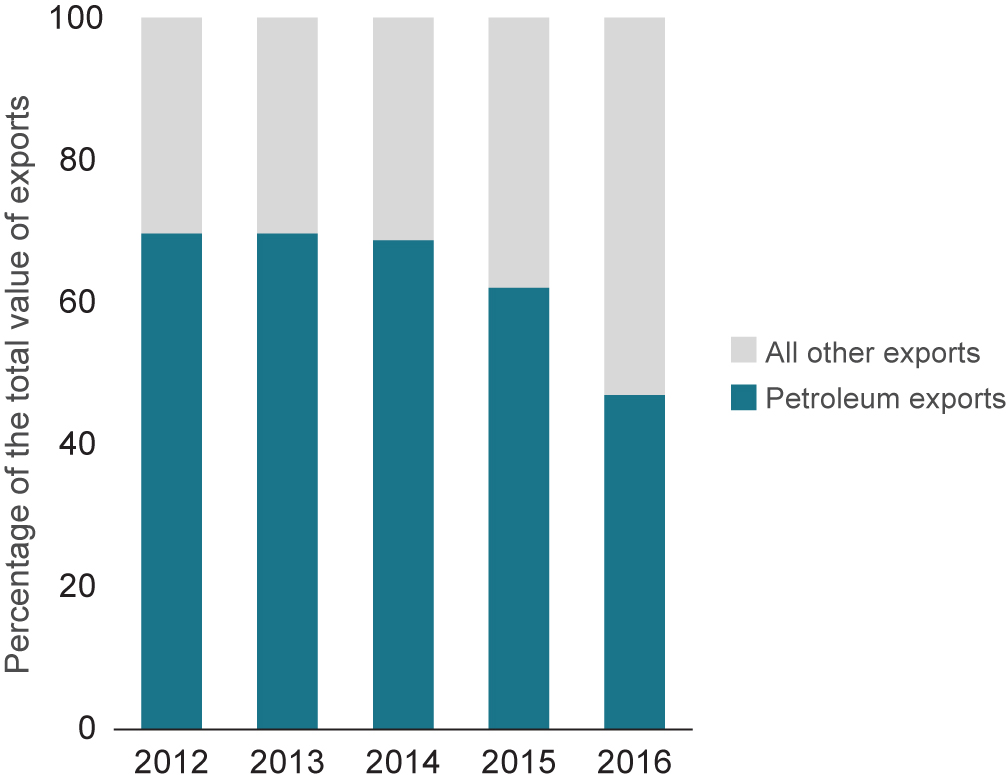
Economic Cost-Imposing MeasuresExpanding U.S. energy production would stress Russia’s economy, potentially constraining its government budget and, by extension, its defense spending. By adopting policies that expand world supply and depress global prices, the United States can limit Russian revenue. Doing so entails little cost or risk, produces second-order benefits for the U.S. economy, and does not need multilateral endorsement. Imposing deeper trade and financial sanctions would also likely degrade the Russian economy, especially if such sanctions are comprehensive and multilateral. Thus, their effectiveness will depend on the willingness of other countries to join in such a process. But sanctions come with costs and, depending on their severity, considerable risks. Increasing Europe’s ability to import gas from suppliers other than Russia could economically extend Russia and buffer Europe against Russian energy coercion. Europe is slowly moving in this direction by building regasification plants for liquefied natural gas (LNG). But to be truly effective, this option would need global LNG markets to become more flexible than they already are and would need LNG to become more price-competitive with Russian gas. Encouraging the emigration from Russia of skilled labor and well-educated youth has few costs or risks and could help the United States and other receiving countries and hurt Russia, but any effects—both positive for receiving countries and negative for Russia—would be difficult to notice except over a very long period. This option also has a low likelihood of extending Russia.
NOTE: For all the tables in this brief, high and low rankings for costs and risks are inverted in desirability from the rest of the table; i.e., low costs are good in the same way that a high likelihood of success is. Thus, a low cost is shaded in light orange while a low likelihood of success is shaded in dark orange. All assessments listed in the tables in this brief are based on analysis by the report’s authors. Geopolitical Cost-Imposing Measures Providing lethal aid to Ukraine would exploit Russia’s greatest point of external vulnerability. But any increase in U.S. military arms and advice to Ukraine would need to be carefully calibrated to increase the costs to Russia of sustaining its existing commitment without provoking a much wider conflict in which Russia, by reason of proximity, would have significant advantages. Increasing support to the Syrian rebels could jeopardize other U.S. policy priorities, such as combating radical Islamic terrorism, and could risk further destabilizing the entire region. Furthermore, this option might not even be feasible, given the radicalization, fragmentation, and decline of the Syrian opposition. Promoting liberalization in Belarus likely would not succeed and could provoke a strong Russian response, one that would result in a general deterioration of the security environment in Europe and a setback for U.S. policy. Expanding ties in the South Caucasus—competing economically with Russia—would be difficult because of geography and history. Reducing Russian influence in Central Asia would be very difficult and could prove costly. Increased engagement is unlikely to extend Russia much economically and likely to be disproportionately costly for the United States. Flip Transnistria and expel the Russian troops from the region would be a blow to Russian prestige, but it would also save Moscow money and quite possibly impose additional costs on the United States and its allies.
NOTE: For all the tables in this brief, high and low rankings for costs and risks are inverted in desirability from the rest of the table; i.e., low costs are good in the same way that a high likelihood of success is. Thus, a low cost is shaded in light orange while a low likelihood of success is shaded in dark orange. All assessments listed in the tables in this brief are based on analysis by the report’s authors. Ideological and Informational Cost-Imposing Measures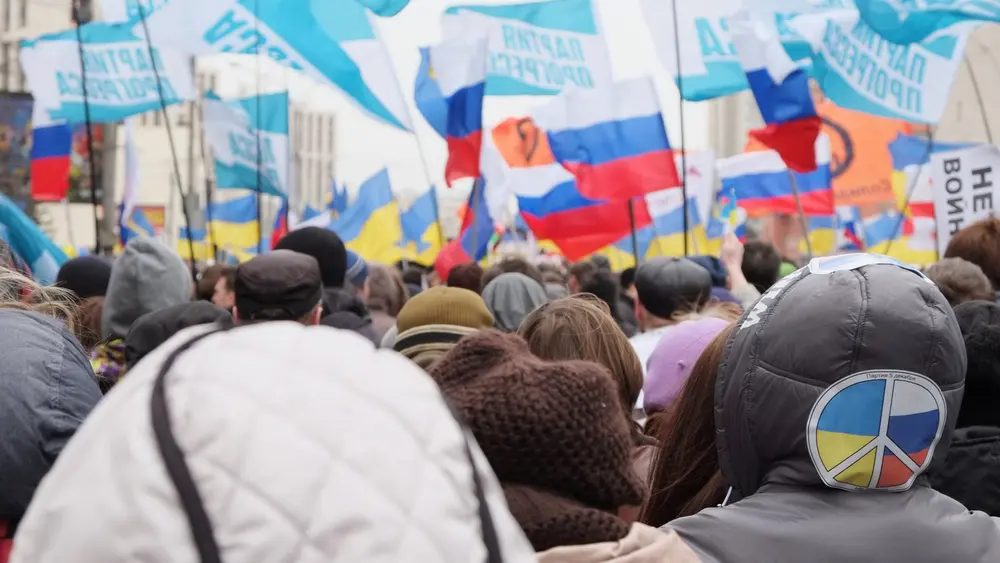 Diminishing faith in the Russian electoral system would be difficult because of state control over most media sources. Doing so could increase discontent with the regime, but there are serious risks that the Kremlin could increase repression or lash out and pursue a diversionary conflict abroad that might run counter to Western interests. Creating the perception that the regime is not pursuing the public interest could focus on widespread, large-scale corruption and further challenge the legitimacy of the state. But it is hard to assess whether political volatility and protests would lead to a more extended Russia—less able or inclined to threaten Western interests abroad—or to a Russia more inclined to lash out in retaliation or to distract, making this a high-risk option. Encouraging domestic protests and other nonviolent resistance would focus on distracting or destabilizing the Russian regime and reducing the likelihood that it would pursue aggressive actions abroad, but the risks are high and it would be difficult for Western governments to directly increase the incidence or intensity of anti-regime activities in Russia. Undermining Russia’s image abroad would focus on diminishing Russian standing and influence, thus undercutting regime claims of restoring Russia to its former glory. Further sanctions, the removal of Russia from non-UN international forums, and boycotting such events as the World Cup could be implemented by Western states and would damage Russian prestige. But the extent to which these steps would damage Russian domestic stability is uncertain. While none of these measures has a high probability of success, any or all of them would prey on the Russian regime’s deepest anxieties and might be employed as a deterrent threat to diminish Russia’s active disinformation and subversion campaigns abroad.
NOTE: For all the tables in this brief, high and low rankings for costs and risks are inverted in desirability from the rest of the table; i.e., low costs are good in the same way that a high likelihood of success is. Thus, a low cost is shaded in light orange while a low likelihood of success is shaded in dark orange. All assessments listed in the tables in this brief are based on analysis by the report’s authors. Air and Space Cost-Imposing Measures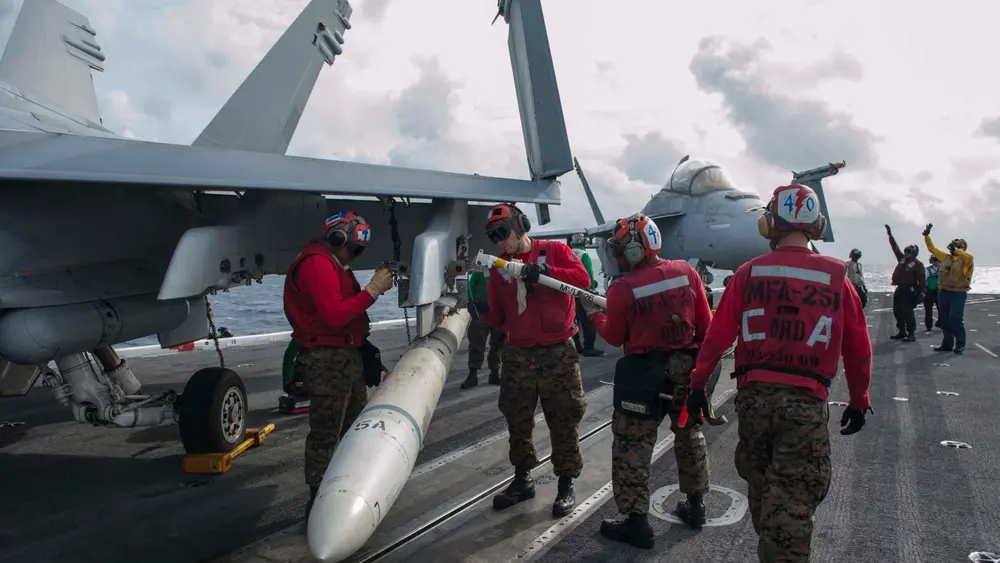 Reposturing bombers within easy striking range of key Russian strategic targets has a high likelihood of success and would certainly get Moscow’s attention and raise Russian anxieties; the costs and risks of this option are low as long as the bombers are based out of range of most of Russia’s theater ballistic and ground-based cruise missiles. Reposturing fighters so that they are closer to their targets than bombers as a way to achieve higher sortie rates to compensate for their smaller payloads would likely concern Moscow even more than reposturing bombers, but the likelihood of success is low and risks are high. Because each aircraft would need to fly multiple sorties during a conventional conflict, Russian leaders would probably be confident that they could destroy many fighters on the ground and shut down their deployment airfields early on with few or no additions to their missile inventory. Deploying additional tactical nuclear weapons to locations in Europe and Asia could heighten Russia’s anxiety enough to significantly increase investments in its air defenses. In conjunction with the bomber option, it has a high likelihood of success, but deploying more such weapons might lead Moscow to react in ways contrary to U.S. and allied interests. Repositioning U.S. and allied ballistic missile defense systems to better engage Russian ballistic missiles would also alarm Moscow but would likely be the least effective option because Russia could easily saturate current systems and any planned upgrades with a small percentage of its existing missile inventory, leaving many missiles still available to hold U.S. and allied targets at risk. There are also ways to get Russia to extend itself in strategic competition. In terms of benefits, such developments would exploit Moscow’s demonstrated fear of U.S. airpower capabilities and doctrines. Developing new low-observable, long-range bombers, or simply adding significantly more of types that are already available or programmed (B-2s and B-21s) would be worrisome for Moscow, as would developing autonomous or remotely piloted strike aircraft and producing them in high numbers. All options would likely incentivize Moscow to devote ever-greater resources to making its command and control systems harder, more mobile, and more redundant. A key risk of these options is being drawn into arms races that result in cost-imposing strategies directed against the United States. For example, investing in ballistic missile defense systems and space-based weapons would alarm Moscow, but Russia could defend against such developments by taking measures that would probably be considerably cheaper than the costs of these systems to the United States. As for likelihood of success, some options are good cost-imposing strategies, but some—such as investing more in HARMs or other electronic warfare technologies—are clearly better than others, and some approaches should be avoided, such as those that focus on space-based weapons or ballistic missile defense systems. The United States might goad Russia into a costly arms race by breaking out of the nuclear arms control regime, but the benefits are unlikely to outweigh U.S. costs. The financial costs of a nuclear arms race would probably be as high for the United States as they would be for Russia, perhaps higher. But the more serious costs would be political and strategic.
NOTE: For all the tables in this brief, high and low rankings for costs and risks are inverted in desirability from the rest of the table; i.e., low costs are good in the same way that a high likelihood of success is. Thus, a low cost is shaded in light orange while a low likelihood of success is shaded in dark orange. All assessments listed in the tables in this brief are based on analysis by the report’s authors. Maritime Cost-Imposing Measures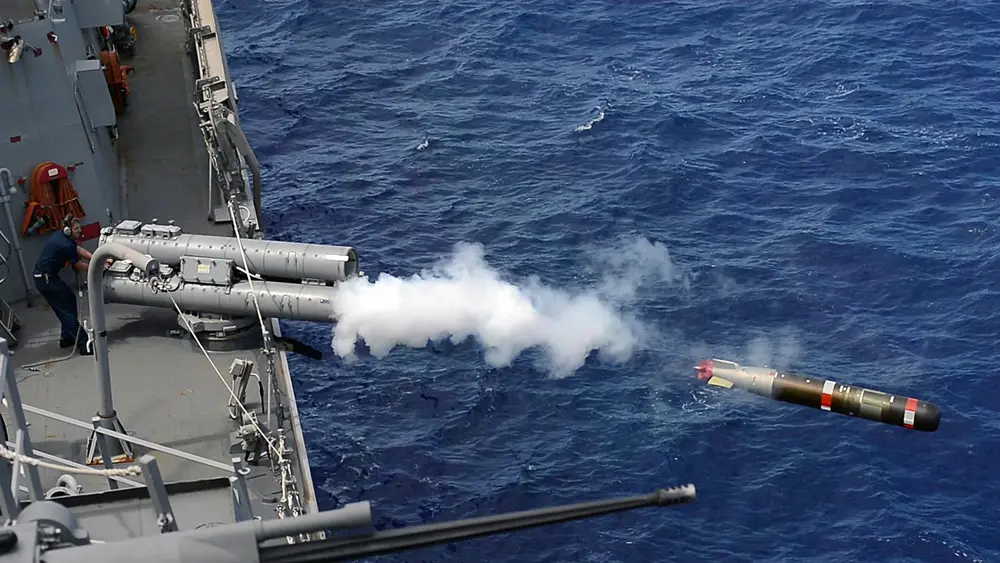 Increasing U.S. and allied naval force posture and presence in Russia’s operating areas could force Russia to increase its naval investments, diverting investments from potentially more dangerous areas. But the size of investment required to reconstitute a true blue-water naval capability makes it unlikely that Russia could be compelled or enticed to do so. Increasing naval R&D efforts would focus on developing new weapons that allow U.S. submarines to threaten a broader set of targets or enhance their ability to threaten Russian nuclear ballistic missile submarines (SSBNs), which could impose anti-submarine warfare costs on Russia. There are limited risks, but success depends on being able to develop these capabilities and on whether they are sufficiently capable of influencing Russian expenditures. Shifting nuclear posture toward SSBNs would entail increasing the percentage of the U.S. nuclear triad assigned to SSBNs by increasing the size of that fleet. While it might force Russia to invest in capabilities that can operate in a blue-water environment in two oceans and would reduce risks to U.S. strategic posture, the option is unlikely to entice Russia into changing its strategy and, thus, extending itself. Checking the Black Sea buildup would involve deploying strengthened North Atlantic Treaty Organization (NATO) anti-access and area denial over the Black Sea—perhaps in the form of long-range, land-based anti-ship missiles—to drive up the cost of defending Russian bases in Crimea and lower the benefit to Russia of having seized this area. Russia would certainly mount a vigorous diplomatic and informational campaign to dissuade coastal NATO and non-NATO states from participating. Also, operating in the Black Sea is politically and logistically more difficult for the U.S. Navy than the Russian Navy; it is also more dangerous for the former in a conflict.
NOTE: For all the tables in this brief, high and low rankings for costs and risks are inverted in desirability from the rest of the table; i.e., low costs are good in the same way that a high likelihood of success is. Thus, a low cost is shaded in light orange while a low likelihood of success is shaded in dark orange. All assessments listed in the tables in this brief are based on analysis by the report’s authors. Land and Multidomain Cost-Imposing Measures  Increasing U.S. forces in Europe, increasing European NATO member ground capabilities, and deploying a large number of NATO forces on the Russian border would likely have only limited effects on extending Russia. All the options would enhance deterrence, but the risks vary. A general increase in NATO ground force capabilities in Europe—including closing European NATO member readiness gaps and increasing the number of U.S. forces stationed in traditional locations in Western Europe—would have limited risks. But large-scale deployments on Russia’s borders would increase the risk of conflict with Russia, particularly if perceived as challenging Russia’s position in eastern Ukraine, Belarus, or the Caucasus. Increasing the size and frequency of NATO exercises in Europe may help to enhance readiness and deterrence, but it is unlikely to prompt a costly Russian response unless the exercises also send risky signals. Large-scale NATO exercises held near Russia’s borders and exercises that practice counterattack or offensive scenarios could be perceived as showing the intent and willingness to consider offensive operations. For example, a NATO exercise simulating a counterattack to retake NATO territory lost to advancing Russian forces might look like an exercise to prepare for an invasion of a piece of Russian territory, such as Kaliningrad. Developing but not deploying an intermediate-range missile could bring Russia back into conformity with the Intermediate-Range Nuclear Forces Treaty but could also prompt an acceleration of Russian missile programs. Withdrawing from that treaty and building the missiles but not deploying them in Europe would add little to U.S. capabilities and would probably prompt Russia to deploy such missiles itself—and, perhaps, invest more in ballistic missile defense. Taking the further step of deploying the missiles to Europe, assuming that NATO allies were willing, would also almost certainly prompt a Russian response, potentially involving substantial resources, or at least the diversion of substantial resources from other defense spending, though it is hard to assess what share would be directed toward defensive capabilities versus offensive or retaliatory ones. Incremental investments in new technologies to counter Russian air defenses and increase U.S. long-range fires could significantly improve defense and deterrence while compelling increased Russian investment in countermeasures. Investments in more-revolutionary, next-generation technologies could have even greater effects, given the Russian concerns about new physical principles, but depending on the capability, such investments could also risk strategic stability by threatening the Russian regime and leadership security in a crisis.
NOTE: For all the tables in this brief, high and low rankings for costs and risks are inverted in desirability from the rest of the table; i.e., low costs are good in the same way that a high likelihood of success is. Thus, a low cost is shaded in light orange while a low likelihood of success is shaded in dark orange. All assessments listed in the tables in this brief are based on analysis by the report’s authors. Implications for the ArmyThe task of “extending Russia” need not fall primarily on the Army or even the U.S. armed forces as a whole. Indeed, the most promising ways to extend Russia—those with the highest benefit, the lowest risk, and greatest likelihood of success—likely fall outside the military domain. Russia is not seeking military parity with the United States and, thus, might simply choose not to respond to some U.S. military actions (e.g., shifts in naval presence); other U.S. military actions (e.g., posturing forces closer to Russia) could ultimately prove more costly to the United States than to Russia. Still, our findings have at least three major implications for the Army.
ConclusionsThe most-promising options to “extend Russia” are those that directly address its vulnerabilities, anxieties, and strengths, exploiting areas of weakness while undermining Russia’s current advantages. In that regard, Russia’s greatest vulnerability, in any competition with the United States, is its economy, which is comparatively small and highly dependent on energy exports. Russian leadership’s greatest anxiety stems from the stability and durability of the regime, and Russia’s greatest strengths are in the military and info-war realms. The table below draws from the earlier tables to identify the most-promising options. Most of the options discussed, including those listed here, are in some sense escalatory, and most would likely prompt some Russian counterescalation. Thus, besides the specific risks associated with each option, there is additional risk attached to a generally intensified competition with a nuclear-armed adversary to consider. This means that every option must be deliberately planned and carefully calibrated to achieve the desired effect. Finally, although Russia will bear the cost of this increased competition less easily than the United States will, both sides will have to divert national resources from other purposes. Extending Russia for its own sake is not a sufficient basis in most cases to consider the options discussed here. Rather, the options must be considered in the broader context of national policy based on defense, deterrence, and—where U.S. and Russian interests align—cooperation.
|
||||||||||||||||||||||||||||||||||||||||||||||||||||||||||||||||||||||||||||||||||||||||||||||||||||||||||||||||||||||||||||||||||||||||||||||||||||||||||||||||||||||||||||||||||||||||||||||||||||||||||||||||||||||||||||||||||||||||||||||||||||||||||||||||||||||||||||||||||||||||||||||||
NOTE: For all the tables in this brief, high and low rankings for costs and risks are inverted in desirability from the rest of the table; i.e., low costs are good in the same way that a high likelihood of success is. Thus, a low cost is shaded in light orange while a low likelihood of success is shaded in dark orange. All assessments listed in the tables in this brief are based on analysis by the report’s authors.
Research conducted by
The research described in this report was sponsored by the United States Army and conducted by the RAND Arroyo Center.
This report is part of the RAND Corporation Research brief series. RAND research briefs present policy-oriented summaries of individual published, peer-reviewed documents or of a body of published work.
This document and trademark(s) contained herein are protected by law. This representation of RAND intellectual property is provided for noncommercial use only. Unauthorized posting of this publication online is prohibited; linking directly to this product page is encouraged. Permission is required from RAND to reproduce, or reuse in another form, any of its research documents for commercial purposes. For information on reprint and reuse permissions, please visit www.rand.org/pubs/permissions.
The RAND Corporation is a nonprofit institution that helps improve policy and decisionmaking through research and analysis. RAND’s publications do not necessarily reflect the opinions of its research clients and sponsors.